How to Choose a High-End Digital Piano: Tips from Piano Phoenix
Choosing a high-end digital piano is an important decision. Whether you’re an amateur pianist, an enthusiast, an experienced musician, or a teacher, your instrument will be with you for many years to come. However, with so many models available, it can sometimes be difficult to know which features really matter.
At Piano Phoenix, we speak every week with pianists who are looking for an instrument that will serve them well for years to come. One question comes up time and again:What really sets a high-end digital piano apart?
Beyond technical specifications and sales pitches, certain factors make all the difference once you’re sitting at the keyboard. Here are the criteria we consider essential.
1. Texture: the first factor you should never overlook
Even before hearing the sound of a piano, the musician makes contact with its keyboard.
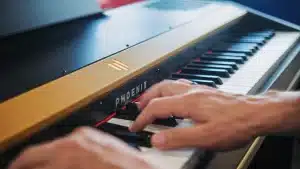
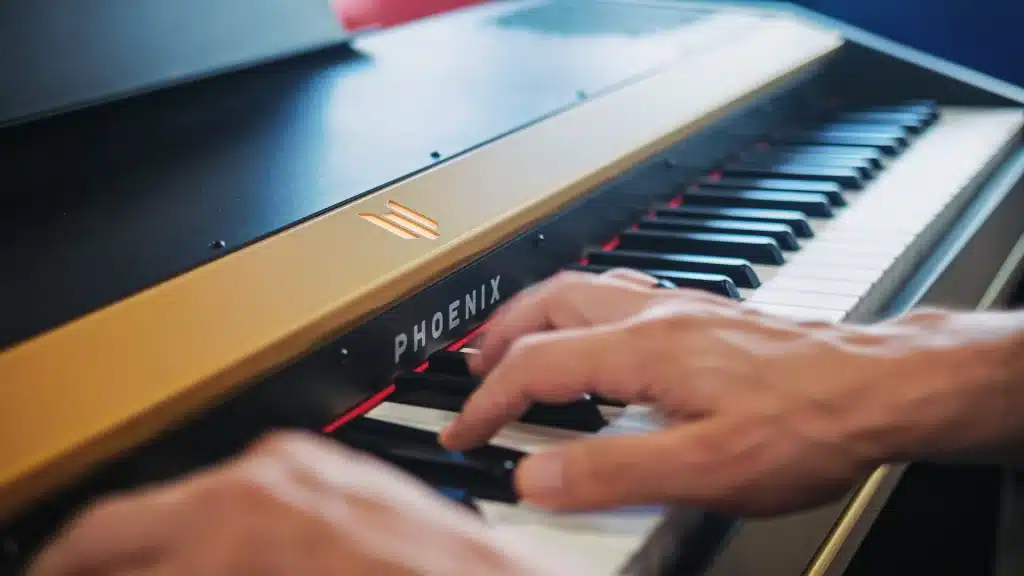
The touch directly influences the enjoyment of playing, the precision of nuances, and control over the performance. A balanced, precise, and consistent keyboard allows you to express your playing naturally, regardless of the dynamics you’re aiming for.
We often find that the same pianist can completely change their mind after just a few minutes of trying out a piano. Two instruments with similar technical specifications can feel very different.
2. Sound quality that evolves with your gameplay
Sound quality is about more than just a beautiful tone.
A high-end piano must be able to reflect the musician's intentions by accurately reproducing nuances, articulation, and dynamic variations.
At Piano Phoenix, we believe that sound should remain alive. The goal is not simply to replicate a piano, but to offer an instrument capable of responding naturally to different playing styles.
The more your playing evolves, the more your instrument needs to be able to evolve with you.
3. Personalization: A Criterion That Has Become Essential
Every pianist has a different sensibility.
Some people are looking for a warmer tone, while others prefer a more dynamic response or a lighter touch. There is no such thing as the “ideal” piano—only a piano that’s right for each musician.
Today, some instruments allow you to go far beyond traditional settings. Being able to adjust the piano's behavior, save your preferences, or customize various settings offers a much more personalized experience.
In our view, this ability to adapt has become one of the most compelling features of a high-end digital piano.
4. Manufacturing That Inspires Confidence
When investing in a high-end piano, the quality of craftsmanship is just as important as the instrument's performance.
Assembly, the selection of components, pre-delivery inspections, and the manufacturer’s availability are all factors that contribute to the piano’s reliability.
At Piano Phoenix, every instrument is assembled and tuned in our workshop in Vénissieux, near Lyon. This proximity allows us to closely monitor every Phoenix and support musicians long after their purchase.
Beyond the instrument itself, we believe that a high-end piano should also come with comprehensive after-sales support.
5. A tool that adapts to your practice
A piano intended for a conservatory student will not necessarily have the same qualities as an instrument used for concerts, rehearsals, or teaching.
Before choosing a model, it’s therefore important to ask yourself a few questions:
- How many hours do you play each week?
- Do you need to move your piano on a regular basis?
- Would you like to adjust your settings over time?
- Do you mainly listen with headphones, through the built-in speakers, or with an external amplifier?
These answers often help guide the choice naturally toward a more suitable instrument.
Choose a piano that will make you want to play
Ultimately, you don't choose a high-end digital piano based solely on its performance or features.
It is chosen because it inspires, makes you want to play, and provides lasting support to the musician in their practice.
At Piano Phoenix, we firmly believe that an instrument should, above all, be a source of joy and self-expression. It is this belief that guides every decision we make, from the design phase through to supporting our users.
If you're unsure which one to choose, take the time to talk to professionals, compare how they feel, and—most importantly—try out the instruments. The best piano will always be the one that makes you want to come back and play it, day after day.